Get ready for a stunning California and Nevada adventure blending giant trees, mountain lakes, and world-class wine, all while keeping your wallet happy! This itinerary focuses on efficient travel and smart accommodation choices.
Day 1: Sequoia’s Giants and Gateway to Yosemite
Estimated Driving Time: Approximately 7.5 hours (total, including travel to Sequoia National Park)
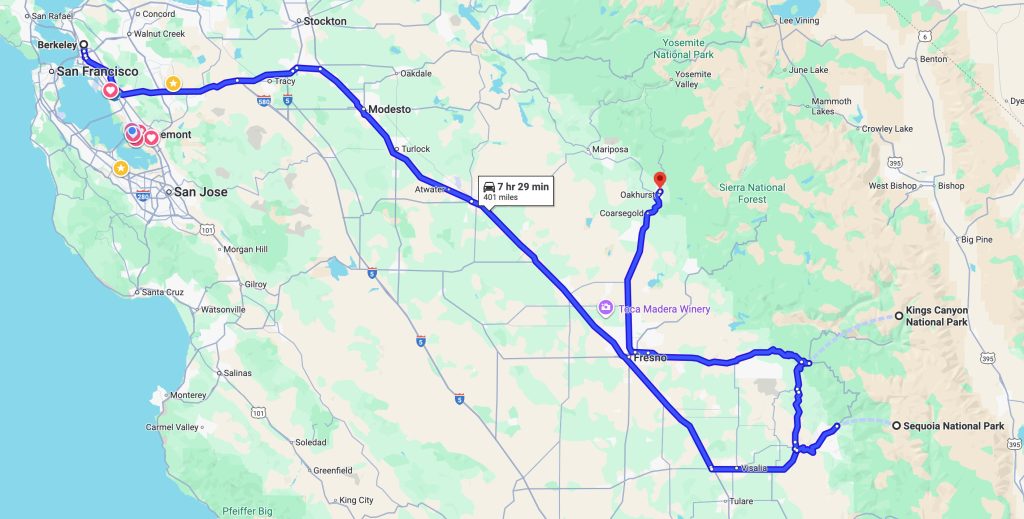
Morning & Afternoon: Sequoia National Park
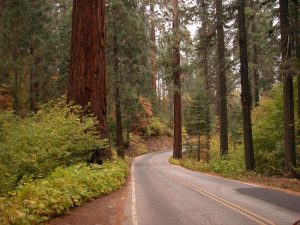
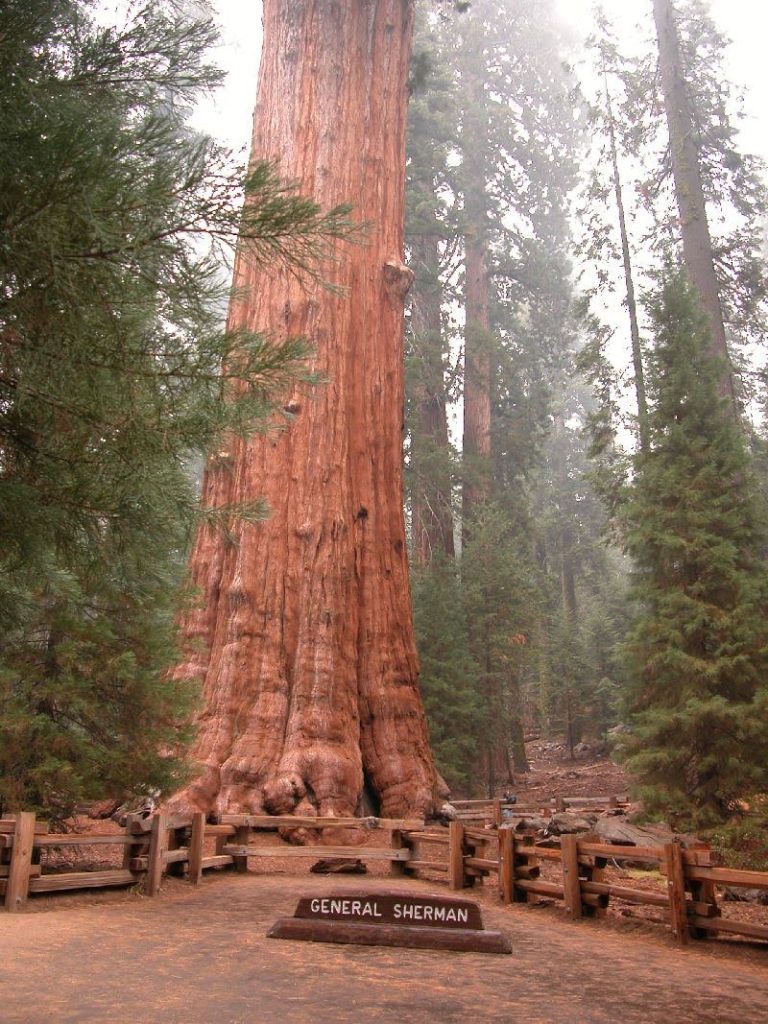
- Start your day with a visit to Sequoia National Park. Focus on a day trip here, prioritizing seeing the majestic General Sherman Tree, the world’s largest by volume.
- Take short hikes and enjoy the grandeur of the Giant Forest.
The Colossal Kingdom: Giant Sequoias and Sequoia National Park
The start of your road trip takes you to the home of the world’s largest trees. The **Giant Sequoias** ($$\textit{Sequoiadendron\ giganteum}$$) are not just big; they represent an incredible story of resilience, volume, and deep history, standing as true sentinels of the Sierra Nevada.
Giant Sequoia Facts: Largest by Volume
While the Coast Redwoods are the world’s tallest trees, the Giant Sequoias are the **most massive individual trees on Earth by sheer volume**. Their incredible girth and bulk are what make them the undisputed heavyweights of the plant kingdom.
| Measurement | General Sherman Tree Statistic | Context |
|---|---|---|
| Volume | 52,500 cubic feet (1,487 $m^3$) | Enough wood to build over 40 average-sized homes. |
| Height | Approx. 275 feet (84 m) | Taller than the Statue of Liberty (base to torch). |
| Age | Estimated 2,300 to 2,700 years old | They were already giants before the fall of the Roman Empire. |
Survival and Adaptation: A Need for Fire
- Fire-Resistant Bark: The bark can be up to 3 feet thick at the base and contains high levels of **tannic acid**. This spongy, fibrous material acts as a near-perfect insulator and fire shield, protecting the tree’s vital core during wildfires.
- Fire-Dependent Reproduction: Paradoxically, the Giant Sequoia actually **needs fire** to reproduce. Fire clears competing vegetation and, more importantly, the heat from the fire helps to open the cones, allowing the tiny seeds to fall onto bare, mineral-rich soil where they can successfully germinate.
- Root Stability: Despite their height, their root systems are shallow (only 6-12 feet deep) but spread out laterally, interlocking with the roots of neighboring sequoias to form a wide, stabilizing network.
Must-See Attractions in Sequoia National Park
1. The General Sherman Tree
The **largest living organism on Earth by volume**, the General Sherman Tree is the park’s centerpiece. A short, paved trail leads you to the viewing area. While you cannot touch it (it is protected by a fence), the scale of the base is mesmerizing.
Pro Tip: After visiting the Sherman Tree, continue onto the **Congress Trail**. This 2.9-mile loop winds past other colossal sequoias (like the Senate and House clusters) and offers a much quieter, immersive experience away from the main crowds.
2. Moro Rock
For a panoramic view that encapsulates the park’s dramatic relief, climb the **Moro Rock**. A steep 400-step staircase, carved into the granite dome, leads to a summit where you can see the Great Western Divide and the vast wilderness of the High Sierra to the east.
3. Tunnel Log
An iconic roadside stop! The **Tunnel Log** is a giant sequoia that fell across the road in 1937. Instead of removing the entire tree, a tunnel was cut through the trunk in 1938, allowing vehicles (and now pedestrians/shuttles) to pass through. It perfectly illustrates the sheer diameter of these massive trees.
Ecosystem and Wildlife
Sequoia National Park protects ecosystems ranging from low-elevation foothills to high-altitude alpine zones. Be sure to look for the diverse wildlife, especially the **American Black Bear**. Strict food storage rules are enforced everywhere in the park to protect both you and the bears!
Evening: Check-in near Yosemite South Gate
- Drive to Oakhurst, a great budget-friendly base right near the Southern entrance of Yosemite.
- Accommodation Idea: Check out budget-friendly options in Oakhurst. For a specific suggestion, consider checking Groupon or deals for local hotels like Marriott. Booking in advance is key!
- You can view the road trip on Google map here.
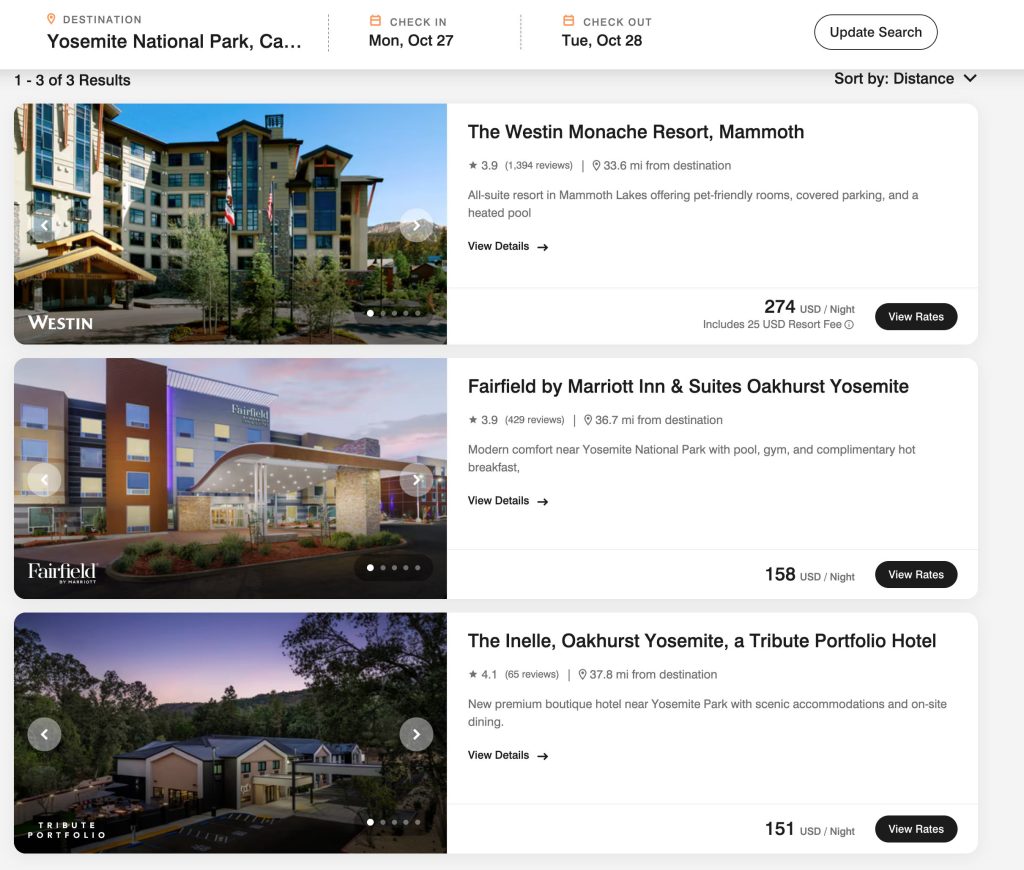
You can use Marriot Free Hotel Stay Awards thanks you your Marriott Credit Card!
Day 2: Yosemite’s Majesty and Tioga Pass Climb
Estimated Driving Time: Approximately 5.5 hours (Yosemite to Carson City)
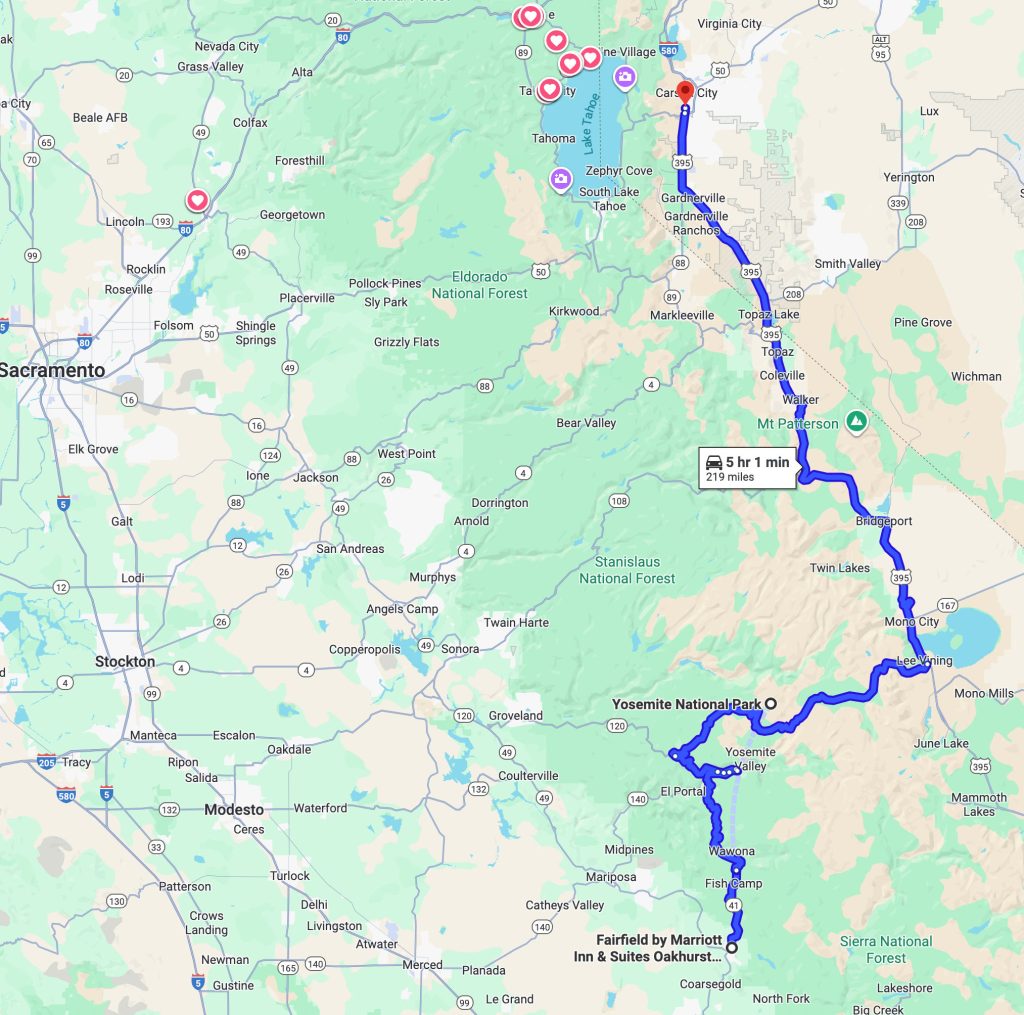
Morning & Early Afternoon: Exploring Yosemite
- Dedicate your morning to Yosemite National Park. Essential stops include Yosemite Valley (Tunnel View, El Capitan, Half Dome views) and perhaps a quick stop at Bridalveil Fall.
- Pack your own sandwiches or snacks to save money on expensive park food.
Late Afternoon & Evening: The Scenic Route to Nevada
- In the afternoon, head east and experience the breathtaking drive over the Tioga Pass (Highway 120). **NOTE:** This pass is CLOSED seasonally, usually from November to May/June. Check conditions before your trip!
- This route takes you into Nevada, leading you toward the Lake Tahoe area.
- Dinner Tip: Look for an In-N-Out Burger along the way. It’s a classic, tasty, and very affordable option!
- Accommodation: Overnight in Carson City, NV. The city offers better budget deals than staying directly in the more tourist-heavy Tahoe area.
- Hotel Idea: View the road trip and consider the Courtyard in Carson City for comfortable, reliable accommodation. Marriot FREE night award works here, though it is not an expensive hotel.
Yosemite’s Glacial Majesty: Granite Cliffs and Waterfalls
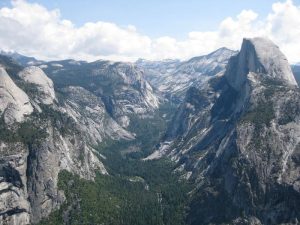
Yosemite National Park, located in the High Sierra, is famous worldwide for its dramatic granite cliffs, deep valleys carved by glaciers, and spectacular waterfalls. It is a testament to the powerful forces of geology and nature, offering breathtaking views that must be seen to be believed.
The Granite Story: Glaciation and Domes
- Formation: The iconic landscape of Yosemite Valley was primarily shaped by massive glaciers during the Ice Ages. These glaciers ground down V-shaped river canyons into the U-shaped valleys we see today.
- Composition: The sheer cliffs, like El Capitan and Half Dome, are mostly composed of **granite**—a hard, igneous rock formed deep beneath the Earth’s surface and later exposed by uplift and erosion.
- Exfoliation: Yosemite’s domes were formed through a process called **exfoliation**, where curved sheets of rock peel away from the main rock mass, leaving smooth, rounded surfaces.
Essential Yosemite Attractions and Hikes
1. Yosemite Valley
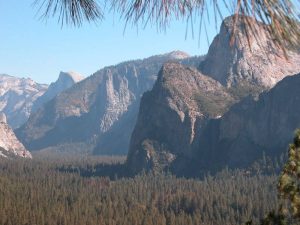
The heart of the park, the Valley is 8 miles (13 km) long and contains most of the park’s famous sights and visitor facilities. Be prepared for crowds, especially during peak season, but the views are worth it.
Visitor Tip: Utilize the free shuttle system within the Valley to navigate the area and avoid traffic/parking headaches.
2. El Capitan and Half Dome
These are the two colossal granite monoliths that define the park:
- El Capitan: A sheer vertical rock face rising over 3,000 feet (914 m), famous among rock climbers but equally inspiring from the Valley floor (viewed best from **El Capitan Meadow**).
- Half Dome: An unmistakable granite dome that has been split in half by glacial action. Hiking the strenuous trail to the summit requires a **permit** obtained via lottery.
3. Iconic Waterfalls
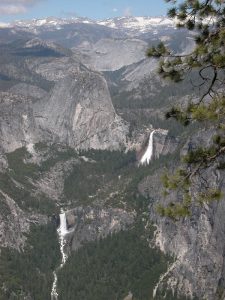
Yosemite is home to some of the world’s tallest waterfalls. Water flow is typically highest in **late spring/early summer** when the winter snowpack melts.
- Yosemite Falls: The tallest waterfall in North America (2,425 feet / 739 m). Visible from many points in the Valley.
- Bridalveil Fall: Often the first waterfall visitors see upon entering the Valley, noted for its ethereal, misty spray.
- Vernal and Nevada Falls: Reached via the challenging but rewarding Mist Trail.
Other Regions to Explore
While the Valley is famous, don’t miss these other key areas:
- Mariposa Grove: Home to over 500 mature Giant Sequoias, offering a similar but distinct experience from Sequoia National Park.
- Glacier Point: Provides a spectacular, elevated view overlooking Yosemite Valley, Half Dome, Yosemite Falls, and the High Sierra peaks.
- Tioga Road (Summer Only): The high-elevation road that crosses the Sierra Nevada and opens typically from late May to early November, giving access to the spectacular Tuolumne Meadows area.
Day 3: Lake Tahoe Views and Sacramento Stopover
Estimated Driving Time: Approx. 2.5 hours (Carson City to Sacramento, plus scenic driving around Tahoe)
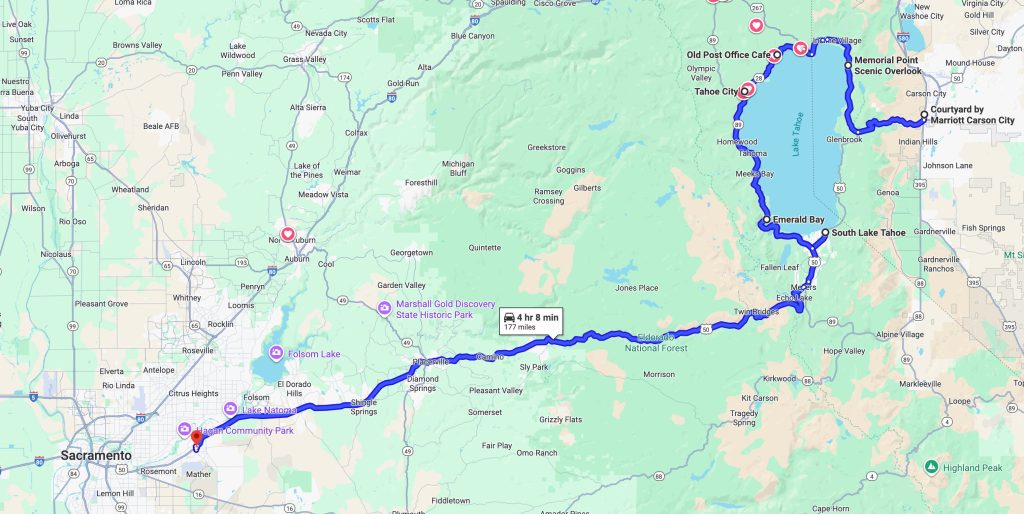
Morning: North Lake Tahoe & Scenic Breakfast
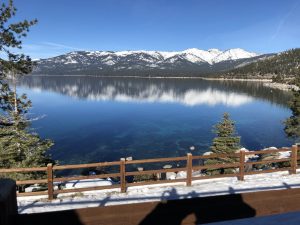
- Drive from Carson City toward the North Shore of Lake Tahoe.
- Breakfast Spot: Plan to have a delicious breakfast at The Old Post Office Cafe in Carnelian Bay, North Lake Tahoe. It’s a local favorite! Fuel up with some fruit until you get there. View the road trip on Google maps.
- If you want to spend more time in Lake Tahoe, you can also consider Holiday Inn Express with IHG FREE night award to extend your trip in South Lake Tahoe.
Sand Harbor
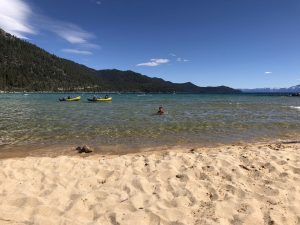
- In the summer, consider making Sand Harbor reservation to swim and enjoy the wonderful beach!
- There are other beaches that do not require reservations as well. Beware that Nevada State Patrol tows vehicles if parked illegally on the road. You don’t want to be stranded in swimsuit without a car!
Late Morning & Afternoon: South Lake Tahoe
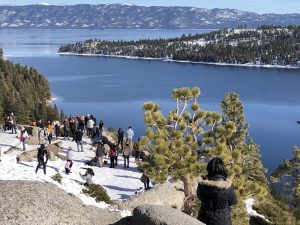
- Drive around the lake, prioritizing the breathtaking views at Emerald Bay State Park. This is one of the most photographed spots in the state.
- Take in the sights of South Lake Tahoe before heading west toward your final destination for the day.
Evening: Sacramento
-
- Drive to Sacramento for your overnight stay.
- Accommodation: Stay at a hotel that includes breakfast to maximize savings for the next morning. Consider a reliable option like the Hyatt Place Sacramento/Rancho Cordova (check for deals!). You can use your FREE Hotel Stay award from your Hyatt Credit Card!

Lake Tahoe: The Jewel of the Sierra
Straddling the border of California and Nevada, Lake Tahoe is the largest alpine lake in North America, renowned for its crystal-clear blue waters and dramatic surrounding mountains. Its natural beauty makes it a year-round recreational paradise.
Tahoe’s Geography: Depth and Purity
- Altitude: Lake Tahoe sits at an elevation of 6,225 feet (1,897 m) above sea level.
- Depth: It is the second deepest lake in the United States, reaching a maximum depth of 1,645 feet (501 m). This great depth contributes to its incredibly clear, deep-blue appearance.
- Purity: The water is historically known for its high clarity, a primary focus of ongoing conservation efforts.
Top Destinations and Year-Round Activities
1. Emerald Bay State Park (South Lake Tahoe)
Widely considered the most photographed spot in the entire Sierra, Emerald Bay features a stunning fjord-like cove, home to **Fannette Island** (the lake’s only island) and the historic **Vikingsholm Castle**.
- Summer: Kayaking, paddleboarding, and hiking down to Vikingsholm for a tour.
- Winter: Views from the overlooks (like Inspiration Point) are spectacular, though access may be limited by snow.
2. Scenic Drives and Overlooks
The 72-mile (116 km) scenic loop around the lake offers continuous access to stunning viewpoints, charming towns, and secluded beaches.
Road Trip Tip: Drive the East Shore (Highway 28 in Nevada) for dramatic views and access to unique, boulder-strewn beaches like Sand Harbor State Park.
3. Seasonal Recreation
Tahoe transitions seamlessly from a warm-weather haven to a snowy mountain playground.
- Summer Activities: Boating, sailing, fishing, mountain biking, and swimming in the numerous beaches, including Kings Beach (North) and Pope Beach (South).
- Winter Sports: Home to some of the country’s best ski resorts, including Heavenly (South Lake Tahoe), Palisades Tahoe (North Lake Tahoe), and Kirkwood.
The North vs. South Divide
Tahoe has two distinct vibes based on location:
- South Lake Tahoe: Generally more developed, featuring casinos on the Nevada side, larger resorts, and a bustling nightlife. Great access to Heavenly Mountain Resort.
- North Lake Tahoe: Known for a more laid-back, rustic, and quieter atmosphere with quaint communities like Tahoe City and Truckee. Excellent for water sports and mountain biking.
Day 4: Wine Country Delight – Napa Valley
Estimated Driving Time: Approximately 1.5 – 2 hours (Sacramento to Napa)
Morning: To Napa Valley
- Enjoy your included breakfast at the Sacramento hotel—a great way to save time and money!
- Head West from Sacramento toward the world-famous Napa Valley.
- Napa Arrival: Check into your pre-booked accommodation in or near Napa. Check Groupon and local deal sites for packages on accommodation or even discounted tasting experiences.
- Accommodation Idea: Marriott, IHG (Holiday Inn) with FREE night awards!
- Review the road trip to Napa: on Google Maps.
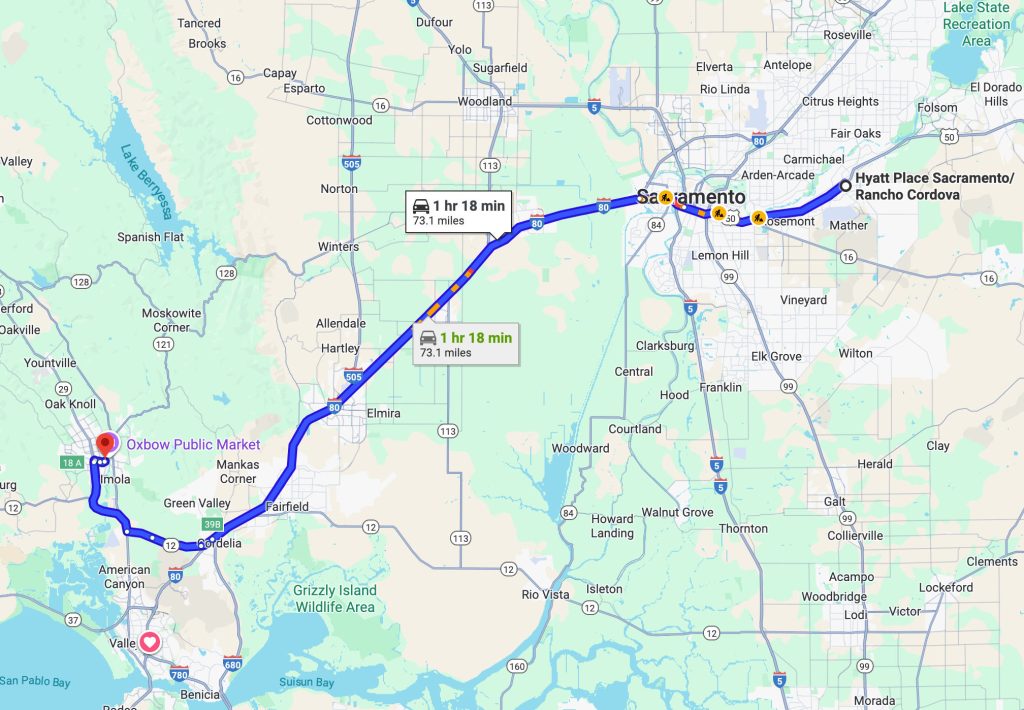
Afternoon & Evening: Wine Tasting and Relaxing
- Spend the afternoon exploring Napa. Look for wineries that offer more affordable tasting flights or tours. Sometimes smaller, family-owned wineries have better deals.
- Enjoy a relaxing evening to celebrate the end of your incredible road trip!
Napa Valley: America’s Premier Wine Region
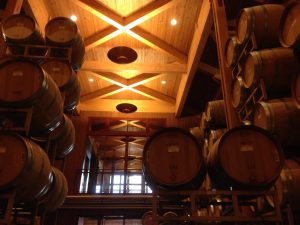
Napa Valley, located north of San Francisco in California, is world-renowned for its vineyard-lined landscape, award-winning wineries, and exceptional culinary scene. It is one of the world’s great wine regions, particularly famous for its Cabernet Sauvignon.
Appellation & Terroir: The A.V.A.s
The Napa Valley is geographically small but incredibly diverse, leading to 16 official American Viticultural Areas (AVAs), each with unique climate and soil (terroir).
- Napa Valley Floor: Includes areas like Oakville and Rutherford, known for rich, powerful Cabernet Sauvignon wines.
- Mountain AVAs: Includes Atlas Peak, Spring Mountain District, and Diamond Mountain District. These areas feature higher altitudes, cooler temperatures, and rockier soils, producing structured, age-worthy wines.
- Southern (Cooler) AVAs: Regions near San Pablo Bay like Carneros are cooler, making them ideal for growing Chardonnay and Pinot Noir grapes used in still and sparkling wines.
Experiences Beyond the Tasting Room
1. Culinary Excellence
Napa Valley is a food destination as much as a wine one. The region boasts numerous Michelin-starred restaurants and high-quality farm-to-table dining experiences. Towns like St. Helena and Yountville are hotspots for acclaimed chefs and innovative cuisine.
Experience Tip: Consider riding the **Napa Valley Wine Train**, which offers gourmet dining experiences while traveling through the heart of the valley floor’s vineyards.
2. Hot Air Balloon Rides
One of the most spectacular ways to view the valley is from above. Sunrise hot air balloon flights offer panoramic views of the entire region, stretching from Calistoga down to Napa, showcasing the meticulously planted vineyards and the surrounding mountain ranges.
3. Castello di Amorosa
Located near Calistoga, this authentically constructed 13th-century Tuscan castle and winery is a unique architectural marvel. It provides a highly memorable (and very popular) tasting experience that transports visitors to Europe.
Planning Your Visit
Winery appointments are often required, especially for smaller or more exclusive producers. Plan ahead and book your tastings and dinners well in advance to ensure a smooth and enjoyable trip.
Money Saving Opportunities Checklist
- Groupon/Deals Sites: Always check for local deals on accommodations, activities, and restaurant gift certificates in Oakhurst, Carson City, Tahoe, and Napa.
- Food Savings:
- Utilize the free breakfast at your Sacramento hotel and consider packing a cooler for lunch/snacks during park visits.
- In-N-Out is a budget-friendly lunch or dinner stop.
- If you are a Sushi fan, Safeway supermarkets often have fresh, packaged Sushi you can buy and eat for a quick lunch or dinner.
- Note that McDonalds, Wendys, Burger King, Subway all have mobile apps with good deals. You can use two apps/two phones to maximize savings for a couple, too. You can order on the way and by the time you reach the restaurant, your food is ready.
- IHOP also has rewards often with a stack of 5 pancakes free. Discover credit card cashback can often be converted to dining gift cards at additional 10% off.
- Costco sells gift cards for many restaurant brands at 20% off. For example, if you reach Carson City on time for dinner, right across your Courtyard Hotel there is an Olive Garden restaurant where you can dine with a gift card, if you have one. Keep in mind, you can buy these gift cards in bulk to satisfy your Hotel, Airline credit card initial spending bonus. For example if the card requires you to spend $3000 in the first 3 months, you can buy gift cards which makes using the cards even sweeter deal.
- Join inKind App and you’ll get $25 to spend at amazing restaurants! inKind provides various discounts and cash back for dining out.
- Park Passes: If you plan on visiting other National Parks, consider buying the America the Beautiful Annual Pass to save money on entrance fees for both Sequoia and Yosemite.
- Gas Apps: Use apps like GasBuddy to find the cheapest gas along your route!
- Free Hotel Stay Awards: Consider Marriott, IHG (Holiday Inn), Wyndham, Hyatt Hotel credit cards for free hotel stays. These cards often gift 1 night FREE per year if you have their credit card (Usually $75-$95-$99 per year fee).
While at it, here is a quick San Francisco Travel Guide
Note: Your phone may not have reception in remote regions of the National Parks in the wilderness. You can download your Google Maps locally to your phone. If you have the map of the area downloaded locally, your Google Maps app can continue to function without internet connection for navigation purposes. For example, for this road trip, you probably want “Bay Area” (optional), “Sequoia National Park”, “Yosemite”, “Lake Tahoe” areas to be downloaded.